Jason Isbell Leads Class-Action Lawsuit Against Suno
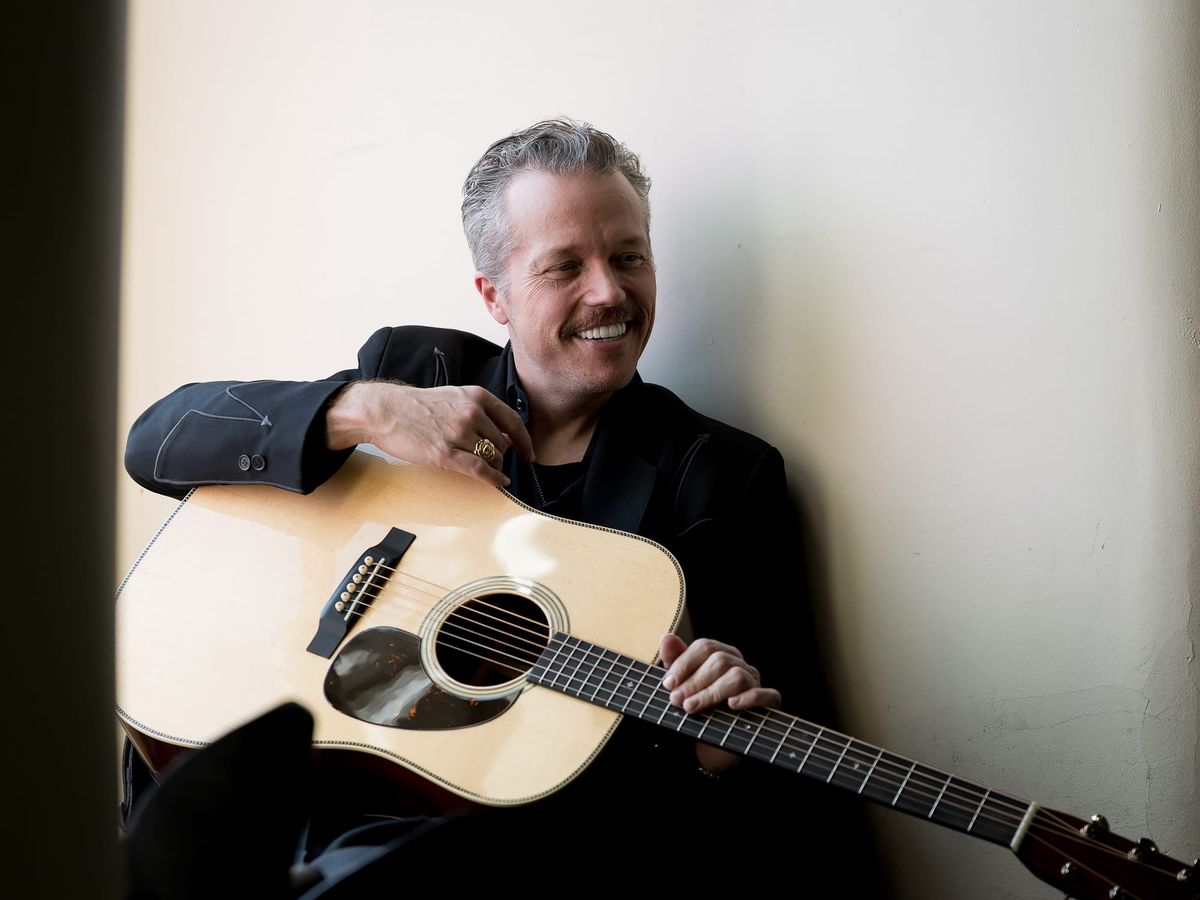
Jason Isbell and three other musicians have filed a proposed class-action lawsuit against Suno, one of the most prominent consumer-facing AI music platforms. Unlike the copyright cases already surrounding the company, this complaint centers on the alleged exploitation of artists' identities.
Isbell is joined by Cracker and Camper Van Beethoven frontman David Lowery, Texas blues musician Guy Forsyth, and Florida saxophonist Eduardo Calle. Their 84-page complaint, filed August 31 in the U.S. District Court for the District of Massachusetts, accuses Suno of using musicians' names, voices, and other recognizable characteristics without permission.
The plaintiffs claim that entering an artist's name into Suno can produce a song, written description, and accompanying image designed to evoke that musician. As one example, the filing says a prompt containing only Isbell's name generated an Americana track titled "Paper Bell," complete with vocals and musical qualities the plaintiffs believe were modeled after his work. Similar tests involving Lowery, Forsyth, and Calle allegedly returned material corresponding to their respective musical backgrounds.
Suno has previously said its platform prevents users from entering the names of specific artists, songs, or albums. The lawsuit disputes the effectiveness of those safeguards, alleging that users can circumvent them through methods as simple as placing spaces between the letters of a musician's name. The plaintiffs argue that the resulting material shows Suno's models can recognize an artist by name and retrieve characteristics associated with that person.
The plaintiffs are seeking unspecified damages, profits tied to the alleged use of their identities, and an order preventing Suno from continuing those practices without consent.
Suno has rejected the allegations. The company told Reuters that the claims lack merit and maintained that its platform is intended to help users create original music rather than capitalize on an artist's name.
For Isbell, who has consistently emphasized the importance of artists controlling their work and how it is distributed, the lawsuit extends that principle beyond the music itself to the identity of the person who created it.